A well-planned home office setup can boost productivity, reduce distractions, and make remote work feel less chaotic. Whether someone works from home full-time or just needs a quiet spot for occasional tasks, the right workspace matters more than most people realize.
This guide covers everything from picking the ideal room to organizing cables. Readers will learn how to build a home office setup that actually works, not just one that looks good on Instagram.
Table of Contents
ToggleKey Takeaways
- Choose a home office space with minimal noise, natural light, and privacy for video calls to maximize focus and professionalism.
- Invest in an ergonomic chair and properly sized desk—these form the foundation of a comfortable home office setup.
- Position your monitor at eye level and an arm’s length away to prevent eye strain and neck pain.
- Use cable trays, clips, and velcro ties to manage cord clutter and keep your workspace safe and clean.
- Combine natural and task lighting, positioning windows to the side of your screen to reduce glare.
- Spend five minutes daily resetting your workspace to maintain an organized, productive home office setup.
Choosing The Right Space For Your Home Office
Location sets the foundation for any home office setup. The best spot is one with minimal foot traffic, some natural light, and enough room for a desk and chair.
A spare bedroom works well because it offers a door, something that helps separate work from personal life. But not everyone has that luxury. A corner of the living room, a large closet, or even a section of the garage can work with some creativity.
Here are a few things to consider when picking a space:
- Noise levels: Avoid areas near the kitchen or TV. Background noise kills focus.
- Natural light: Windows reduce eye strain and improve mood. If natural light isn’t available, good artificial lighting becomes essential.
- Privacy: Video calls are part of most remote jobs now. A space where others won’t walk through the background helps maintain professionalism.
- Temperature control: Attics and basements can get too hot or cold. Climate comfort affects concentration.
Once the space is chosen, measure it. Knowing the dimensions helps when shopping for furniture and equipment. A cramped home office setup leads to frustration, so it’s worth taking time to get this step right.
Essential Furniture And Equipment
Furniture and equipment form the core of any home office setup. Skimping here often leads to discomfort, poor posture, and lower productivity over time.
The Desk
A desk should fit the available space and support daily tasks. Standard desks work for most people, but standing desks have grown popular for those who want to alternate between sitting and standing. The ideal desk height is around 28 to 30 inches for seated work.
The Chair
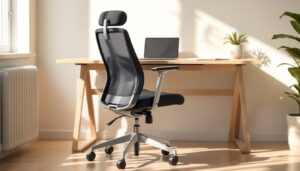
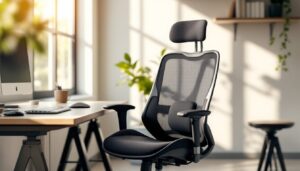
An ergonomic chair is one of the smartest investments for a home office setup. Look for adjustable height, lumbar support, and armrests. Cheap chairs might save money upfront, but they often cause back pain within months.
Technology Essentials
The right tech depends on the job, but most remote workers need:
- A reliable computer: Desktops offer more power: laptops offer flexibility.
- A second monitor: Dual screens increase efficiency for many tasks.
- A quality webcam and microphone: Built-in laptop cameras often produce grainy video.
- A keyboard and mouse: Wireless options reduce desk clutter.
Internet Connection
Slow internet ruins productivity. A wired ethernet connection is more stable than Wi-Fi. If the router is far from the home office setup, consider a mesh network or powerline adapter to extend coverage.
Investing in solid furniture and equipment pays off quickly. The body and workflow will both benefit.
Optimizing Lighting And Ergonomics
Lighting and ergonomics directly affect comfort and health in a home office setup. Getting these right prevents headaches, eye strain, and chronic pain.
Lighting Tips
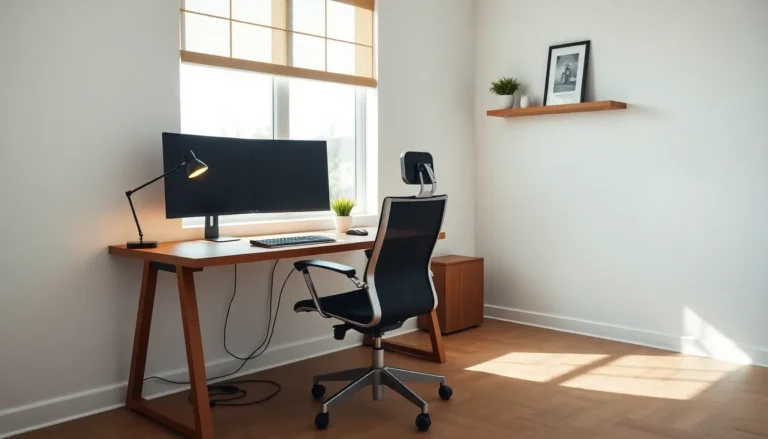
Natural light is ideal, but it needs to be managed. Position the desk so windows are to the side rather than directly behind or in front of the screen. This reduces glare and prevents squinting.
For artificial lighting, use a combination of ambient and task lighting. A desk lamp with adjustable brightness helps during evening hours. LED bulbs with a color temperature around 4000K to 5000K mimic daylight and reduce fatigue.
Avoid harsh overhead fluorescent lights. They create shadows and can trigger headaches for some people.
Ergonomic Setup
Proper ergonomics prevent long-term injury. Here’s a quick checklist:
- Monitor height: The top of the screen should be at or slightly below eye level.
- Monitor distance: About an arm’s length away from the face.
- Chair height: Feet should rest flat on the floor with knees at a 90-degree angle.
- Keyboard position: Wrists should stay neutral, not bent upward or downward.
- Back support: The chair should support the natural curve of the spine.
Taking short breaks every 30 to 60 minutes also helps. Standing, stretching, or walking around the room keeps blood flowing and reduces stiffness.
A well-lit, ergonomic home office setup doesn’t require expensive upgrades. Small adjustments often make a big difference.
Managing Cables And Staying Organized
Cable clutter can turn a home office setup into a tangled mess. Beyond looking bad, loose cables create tripping hazards and make cleaning difficult.
Cable Management Solutions
Several affordable tools help tame the chaos:
- Cable trays: Mount under the desk to hide power strips and excess cord length.
- Cable clips: Stick to the desk edge to keep charging cables within reach.
- Velcro ties: Bundle cables together for a cleaner look.
- Cable sleeves: Wrap multiple cords into a single tube that runs along the floor or wall.
Labeling cables at both ends saves time when troubleshooting or rearranging equipment.
General Organization Tips
A cluttered desk leads to a cluttered mind, or at least that’s what most productivity experts claim. Here are some ways to keep a home office setup tidy:
- Use drawer organizers: Small items like pens, sticky notes, and chargers disappear without them.
- Go vertical: Shelves and pegboards store supplies without eating up desk space.
- Limit decorations: A plant or photo adds personality. Ten decorations create visual noise.
- Daily reset: Spend five minutes at the end of each workday putting things back in place.
Digital organization matters too. A cluttered desktop with hundreds of files mirrors physical chaos. Create folders, archive old documents, and keep the digital workspace as clean as the physical one.
Good organization makes a home office setup feel professional and functional.