Home office setups for beginners don’t have to be complicated or expensive. Whether someone’s starting a remote job or launching a side hustle, a well-planned workspace can make a real difference in daily productivity. The good news? Building an effective home office is simpler than most people think.
This guide covers everything beginners need to know, from picking the right spot in their home to choosing furniture that won’t wreck their back. It also includes practical tips on lighting, organization, and keeping costs reasonable. By the end, anyone can create a home office setup that works for their needs and budget.
Table of Contents
ToggleKey Takeaways
- Home office setups for beginners should start with choosing a quiet, well-lit space with reliable power and internet access.
- Invest in a supportive office chair with lumbar support—it prevents back pain and boosts long-term productivity.
- Position your monitor at eye level and about an arm’s length away to reduce eye strain and improve posture.
- Keep your workspace organized with simple storage solutions and declutter weekly to maintain focus.
- Start with essential equipment like a desk, chair, and computer, then upgrade your home office setup over time as your budget allows.
- Save money by buying secondhand furniture, using DIY solutions, and shopping during seasonal sales.
Choosing the Right Space for Your Home Office
The first step in any home office setup for beginners is finding the right location. This decision affects focus, comfort, and overall work quality.
Consider Traffic and Noise
A quiet corner beats a busy hallway every time. Bedrooms, spare rooms, or even large closets can work well. The key is minimizing interruptions. If someone shares their home with family or roommates, a door that closes is worth its weight in gold.
Think About Size Requirements
Not everyone needs a massive space. A small desk and chair can fit in surprisingly tight areas. But, the workspace should have room for essential equipment, a computer, keyboard, and maybe a second monitor. Measure the available space before buying furniture.
Check for Power and Internet Access
A home office setup needs reliable power outlets and strong Wi-Fi or ethernet access. Working near the router often provides better connection speeds. Extension cords and power strips can help, but they shouldn’t become tripping hazards.
Some beginners overlook natural light when choosing a spot. A room with windows can boost mood and reduce eye strain during long work hours.
Essential Furniture and Equipment
Every home office setup for beginners requires a few basic items. Skipping these often leads to discomfort or lower productivity.
The Desk
A sturdy desk is the foundation. It should be large enough for a computer, notebook, and any other daily tools. Standing desks have grown popular, but a standard desk works fine for most people starting out. Depth matters too, shallow desks can feel cramped quickly.
The Chair
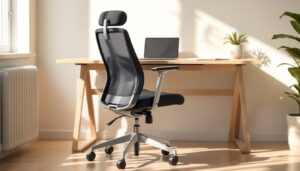
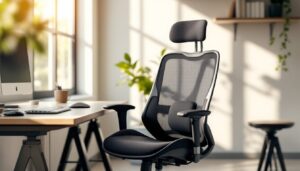
This is where beginners shouldn’t cut corners. A good office chair supports the lower back and promotes proper posture. Cheap chairs might save money initially, but they often cause back pain within months. Look for adjustable height and lumbar support at minimum.
Computer and Accessories
Most remote work requires a reliable computer. Laptops offer flexibility, while desktops typically provide more power for the price. A second monitor can boost efficiency for tasks like research or spreadsheet work.
Other helpful items include:
- A quality keyboard and mouse
- Headphones or a headset for calls
- A webcam (if the laptop camera isn’t sufficient)
- A surge protector for equipment safety
Beginners should prioritize items they’ll use daily and add extras later as their home office setup evolves.
Setting Up Proper Lighting and Ergonomics
Lighting and body positioning affect both comfort and health. A poor home office setup can lead to headaches, eye strain, and chronic pain.
Lighting Basics
Natural light is ideal, but it shouldn’t create glare on screens. Position monitors perpendicular to windows rather than facing them directly. For artificial lighting, a desk lamp with adjustable brightness helps during evening hours.
Overhead lighting alone often creates shadows. A combination of ambient and task lighting works best for most home office setups.
Ergonomic Positioning
Proper ergonomics prevent long-term injury. Here are the basics:
- Monitor height: The top of the screen should sit at or slightly below eye level
- Chair height: Feet should rest flat on the floor with thighs parallel to the ground
- Keyboard position: Elbows should bend at roughly 90 degrees while typing
- Screen distance: Monitors should be about an arm’s length away
Beginners often ignore these guidelines and pay for it later. Even small adjustments, like raising a monitor with a stack of books, can make a significant difference in comfort during long work sessions.
Organizing Your Workspace for Productivity
A cluttered desk leads to a cluttered mind. Organization is a crucial part of any home office setup for beginners who want to stay focused.
Declutter Regularly
Keep only essential items on the desk surface. Papers, sticky notes, and random objects pile up fast. A weekly cleanup prevents chaos from taking over. If something hasn’t been used in a month, it probably doesn’t need desk space.
Use Storage Solutions
Simple storage options include:
- Desk drawers for supplies
- Shelving for books and reference materials
- Cable management clips to hide messy wires
- Small containers for pens, chargers, and small items
Create Systems That Stick
The best organization system is one that actually gets used. Complicated filing methods often fail. A simple “inbox” tray for incoming papers and a basic folder system handles most needs.
Digital organization matters too. A clean desktop and well-named files save time searching for documents. Cloud storage makes backing up important work automatic.
Beginners should experiment with different approaches. What works for one person’s home office setup might not work for another.
Budget-Friendly Tips for New Home Offices
Building a home office setup for beginners doesn’t require a huge investment. Smart shopping and prioritization keep costs manageable.
Buy Used When Possible
Secondhand furniture often costs a fraction of new prices. Facebook Marketplace, Craigslist, and thrift stores sell quality desks and chairs regularly. Many people upgrade their home offices and sell perfectly good equipment cheap.
Start With the Essentials
Beginners don’t need every gadget on day one. A functional desk, decent chair, and reliable computer cover the basics. Extras like monitor arms, fancy keyboards, or standing desk converters can wait.
DIY Solutions Work
Creativity saves money. A sturdy table can serve as a desk. Books can raise a monitor to the right height. A closet door can become a wall-mounted desk with basic hardware.
Watch for Sales
Office equipment goes on sale frequently, especially during back-to-school season and Black Friday. Patience can save hundreds of dollars on quality items.
The goal isn’t a magazine-worthy space right away. It’s a functional home office setup that supports good work. Upgrades can happen over time as needs become clearer and budgets allow.