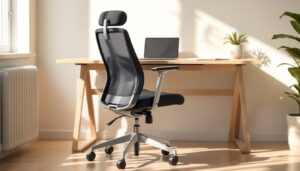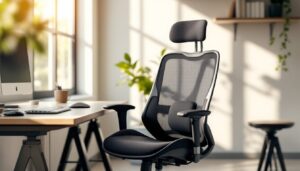
Sitting in a traditional office chair for eight hours straight isn’t just uncomfortable, it’s rough on your body. Ball office chairs have moved from fitness novelty to legitimate seating option for home offices, and the 2026 models are more stable and functional than ever. These active seating solutions replace a standard desk chair with an exercise ball (stability ball) mounted in a supportive base or frame, forcing your core to engage while you work. They’re not for everyone, and they won’t fix poor posture habits overnight, but when used correctly, they can help reduce lower back stiffness and keep you from slumping through afternoon video calls.
Table of Contents
ToggleKey Takeaways
- A ball office chair uses an unstable seating surface to engage your core muscles throughout the day, providing active sitting benefits that traditional chairs cannot match.
- Proper sizing is essential—choose your ball office chair size based on your height, with 52–55cm for users under 5’0″, 65cm for 5’0″–5’8″, and 75cm for those over 5’8″ to maintain hip-to-knee alignment and posture support.
- Start with short 20–30 minute sessions and gradually increase duration over 2–3 weeks, as your core will fatigue faster than expected and requires conditioning for sustained use.
- Ball office chairs reduce lower back stiffness and encourage movement, but they require proper desk setup, correct inflation, and paired ergonomic habits to deliver real health benefits.
- Avoid common mistakes like overinflating the ball, skipping the transition period, or ignoring fatigue signals, as these issues can lead to discomfort and abandonment of the chair.
- While a ball office chair won’t fix poor posture habits overnight, using it correctly alongside proper desk height and monitor placement can improve spinal alignment and workplace comfort.
What Is a Ball Office Chair and How Does It Work?
A ball office chair consists of an inflatable exercise ball (typically 52cm to 75cm diameter) secured within a wheeled base, fixed frame, or stabilizing ring. Unlike a static office chair that supports your weight passively, a ball chair creates an unstable seating surface that requires constant micro-adjustments from your core muscles to maintain balance.
The mechanics are straightforward: when you sit on an unstable surface, your body automatically engages stabilizer muscles in your abdomen, lower back, and hips to keep you upright. This subtle, continuous engagement is what proponents call “active sitting.” You’re not doing crunches at your desk, but you are recruiting muscle groups that stay dormant in a conventional padded chair.
Most ball office chairs include a supportive base with casters for mobility, a backrest (optional but common in 2026 models), and sometimes resistance bands or handles for stretching between tasks. The ball itself is usually made from anti-burst PVC, if punctured, it deflates slowly rather than popping like a balloon. Inflation level matters: overinflated balls are harder and less forgiving, while underinflated ones offer too much give and poor posture support.
Some designs let you remove the ball for traditional exercise use. Others integrate the ball permanently into a frame with lumbar support and armrests, blurring the line between exercise equipment and ergonomic furniture. These hybrid models address the biggest complaint about pure ball chairs: lack of back support during long work sessions.
Health Benefits of Switching to a Ball Office Chair
The primary benefit is core strengthening. Sitting on an unstable surface activates your transverse abdominis, obliques, and erector spinae muscles throughout the day. You won’t build six-pack abs, but you will develop better endurance in the muscle groups that support your spine. For people who spend zero time on core work, this passive engagement can make a difference over weeks and months.
Improved posture is another claimed advantage, though it’s not automatic. A ball chair makes slouching uncomfortable, you’ll notice quickly if you start to hunch because you lose stability. This biofeedback can retrain you to sit with a neutral spine, shoulders back, and feet flat on the floor. But, if you’re exhausted or distracted, you’ll slump just as easily on a ball as in a regular chair. It’s a tool, not a cure.
Some users report reduced lower back pain, particularly if their discomfort stems from prolonged static sitting. The gentle movement and muscle engagement can relieve stiffness. That said, if you have existing back injuries, herniated discs, or chronic pain, consult a physical therapist before switching. A ball chair can aggravate certain conditions, especially if your core is weak or your desk setup forces awkward positioning.
Increased calorie burn is often overstated. Yes, you burn slightly more calories maintaining balance than sitting motionless, but the difference is minimal, think 4-6 calories per hour, not enough to offset a snack. Consider it a bonus, not a weight-loss strategy.
Finally, ball chairs encourage movement. You can bounce lightly, shift your hips, or roll your pelvis forward and back, small motions that keep blood flowing and prevent the stiffness that comes from being locked in one position. This isn’t a substitute for standing up and stretching every hour, but it helps. Many beginner-friendly building guides for home office furniture now incorporate active seating options alongside standing desks and adjustable workstations.
Choosing the Right Ball Office Chair for Your Home Office
Start with ball size, which depends on your height and desk height. Most manufacturers follow this guideline:
• 52–55cm ball: for users under 5’0″ or desks 25–27″ high
• 65cm ball: for users 5’0″–5’8″ or desks 28–30″ high
• 75cm ball: for users over 5’8″ or desks above 30″
When seated, your hips should be level with or slightly higher than your knees, and your feet should rest flat on the floor. If your thighs slope downward, the ball is too high: if they angle up, it’s too low. Measure your current chair height (seat to floor) and match it when inflating the ball.
Base stability varies widely. Entry-level models use a simple plastic ring that keeps the ball from rolling away but offers no height adjustment or back support. Mid-range options include a wheeled base (similar to a standard office chair base) and often a small backrest or lumbar pad. Premium models add armrests, pneumatic height adjustment, and locking casters, features that make the chair practical for full-time use rather than occasional sitting.
If you’re building a custom workshop setup or home office from scratch, consider models with removable balls. You can swap ball sizes as you adapt or remove it entirely for traditional exercise. Some frames accept standard 55cm or 65cm exercise balls, so you’re not locked into proprietary replacements.
Weight capacity is typically 250–300 lbs for consumer models, but check specs. Anti-burst ratings mean the ball won’t explode if punctured, but they still have load limits. If you’re on the higher end of the range, look for commercial-grade options with thicker PVC (2mm or more).
Size, Stability, and Adjustability Features
Adjustability is where 2026 models shine. Look for:
• Inflation valve: Easy-access valve lets you fine-tune firmness without removing the ball from the base.
• Height adjustment: Pneumatic or screw-post mechanisms let you dial in the exact height, compensating for variations in ball inflation or desk height.
• Backrest angle: Adjustable lumbar supports accommodate different torso lengths and sitting preferences.
• Caster locks: Essential if you work on carpet or want to stabilize the chair during focused tasks.
Stability features matter more than you’d think. A ball in a fixed ring is fine for 30-minute sessions but tiring for all-day use. A five-point wheeled base (same as a standard office chair) provides the best balance of mobility and stability. Some models include anti-roll bars or weighted bases that prevent the chair from scooting away when you stand up.
If you’re hesitant to commit, buy a standalone exercise ball and stability ring first (around $25–40). Use it for an hour a day and see how your body responds. If you like it, upgrade to a full chair with back support and adjustability. Many people find they prefer alternating between a ball chair and a traditional chair rather than using the ball exclusively.
Setting Up Your Ball Office Chair for Maximum Comfort
Proper setup starts with desk height. Your monitor should sit at eye level (top of the screen at or slightly below eye height), and your keyboard should allow your elbows to rest at a 90-110 degree angle when typing. If your desk is too high, you’ll shrug your shoulders: too low, and you’ll hunch forward. This is standard ergonomic advice, but it’s more critical on a ball chair because poor positioning is harder to sustain.
Inflate the ball correctly. Use a hand pump or electric pump (most balls come with one) and inflate until the ball is firm but gives slightly when you press it with your palm. Sit on it and check: your hips should be level with or 1–2 inches higher than your knees. If you sink too far, add air. If your feet don’t touch the ground, let some air out or use a footrest to support your feet flat.
Position your feet shoulder-width apart and flat on the floor. This creates a stable tripod (two feet plus your pelvis) and engages your core naturally. Don’t cross your legs or tuck your feet under the chair, you’ll lose stability and strain your hips.
Start with short sessions: 20–30 minutes, two or three times a day. Your core will fatigue faster than you expect, especially if you’re new to active sitting. Gradually increase duration over two to three weeks. Most people plateau at 2–4 hours per day: few use a ball chair exclusively for an eight-hour shift. Keep a traditional chair nearby and switch when you start to feel tired or lose focus.
If your chair has a backrest, adjust it so it supports your lumbar curve without forcing you to lean back. You should be able to sit upright with the backrest lightly touching your lower back, it’s a guide, not a pillow. Many woodworking project tutorials for DIY desk builds now include notes on ergonomic clearances for active seating, since ball chairs have different footprints than standard office chairs.
Safety note: Wear non-slip footwear or work barefoot if your floor allows it. Socks on hardwood or tile can cause slips when you shift your weight. Keep the area around your chair clear of cords, rugs with edges, or other trip hazards, if the ball rolls unexpectedly, you don’t want obstacles.
Common Mistakes to Avoid When Using a Ball Chair
Overinflating the ball is mistake number one. A rock-hard ball feels unstable and puts more pressure on your sit bones (ischial tuberosities), leading to discomfort within 15 minutes. You want firmness, not rigidity. If you can’t indent the ball slightly with your thumb, let out some air.
Skipping the transition period leads to burnout and abandoned chairs. Your core muscles aren’t conditioned for sustained engagement. If you jump straight into six-hour sessions, you’ll end up sore, frustrated, and back in your old chair. Build up gradually.
Ignoring fatigue signals is a close second. If your lower back starts to ache, your core feels shaky, or you catch yourself slouching, it’s time to switch to a conventional chair. Pushing through fatigue defeats the purpose, you’ll develop compensatory bad posture that’s worse than static sitting.
Using a ball chair with the wrong desk height creates ergonomic disasters. If your desk is too high and you can’t adjust the ball’s inflation to compensate, you’ll shrug your shoulders and strain your neck. If it’s too low, you’ll hunch forward and compress your spine. Measure, adjust, and test before committing to a full workday.
Forgetting to lock casters when you need stability. If you’re typing fast, taking notes, or doing detail work, rolling around is distracting and tiring. Most wheeled ball chairs have caster locks, use them. Unlock when you want mobility, lock when you want to stay put.
Neglecting the ball’s condition: Check inflation weekly. Balls naturally lose a little air over time. A slow leak or puncture can leave you sitting too low without realizing it. Inspect the PVC for wear, especially where it contacts the base. Replace the ball if you see cracks, thin spots, or deformation.
Finally, don’t assume a ball chair fixes poor habits. If you stare at your phone in your lap, crane your neck toward the monitor, or type with your wrists bent, a ball chair won’t help. It amplifies the consequences of bad ergonomics because you have less passive support. Pair it with proper desk setup, monitor placement, and regular breaks for best results.
Conclusion
Ball office chairs aren’t a magic fix for desk-job discomfort, but they’re a practical tool when used correctly. Start slow, match the ball size to your height and desk, and listen to your body. If you find yourself more alert and less stiff after a few weeks, you’ve found a setup that works. If not, you’ve learned that active seating isn’t your style, and that’s fine. The best chair is the one that keeps you comfortable and productive, whether it bounces or not.